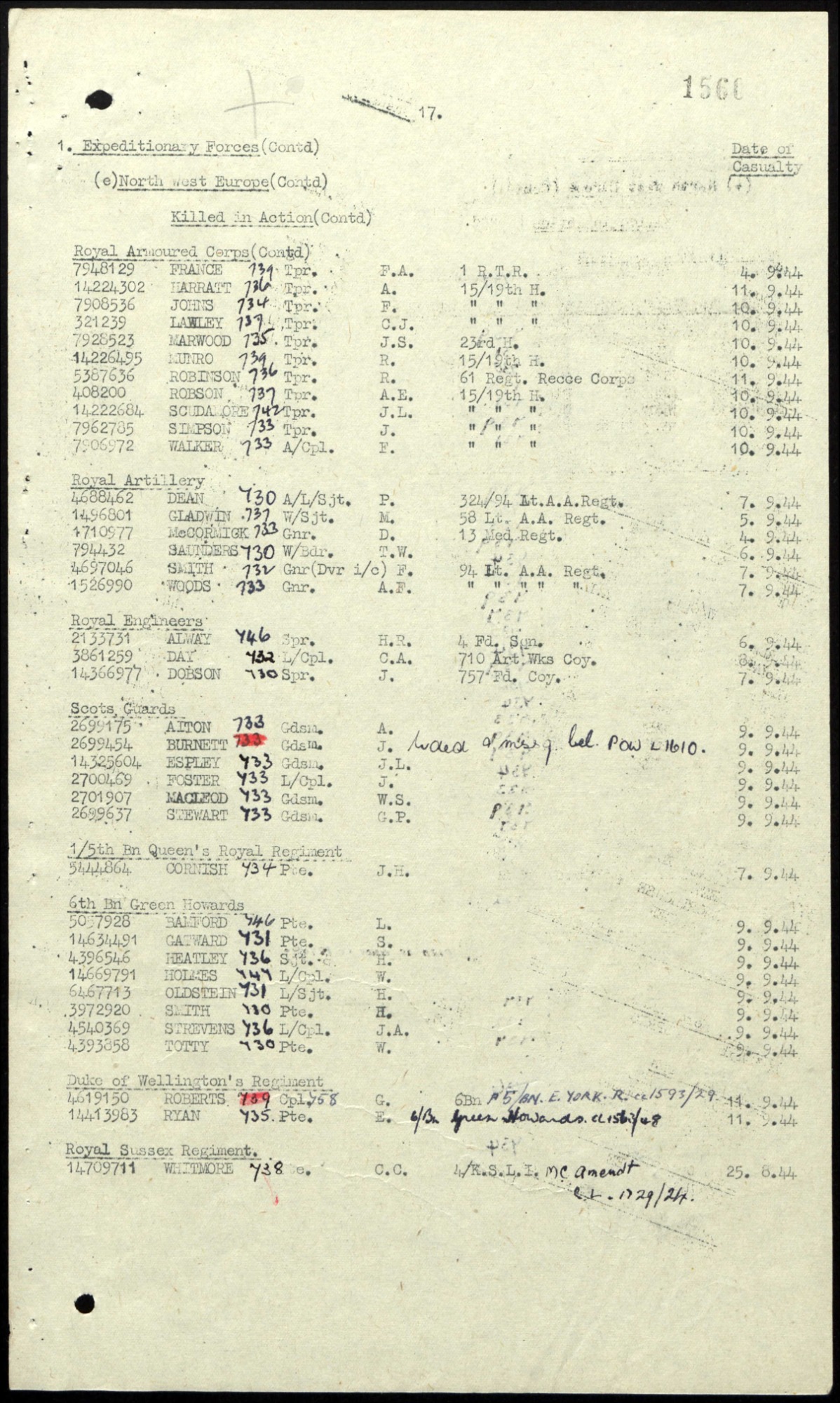
14224302
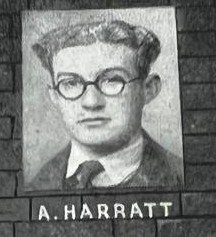
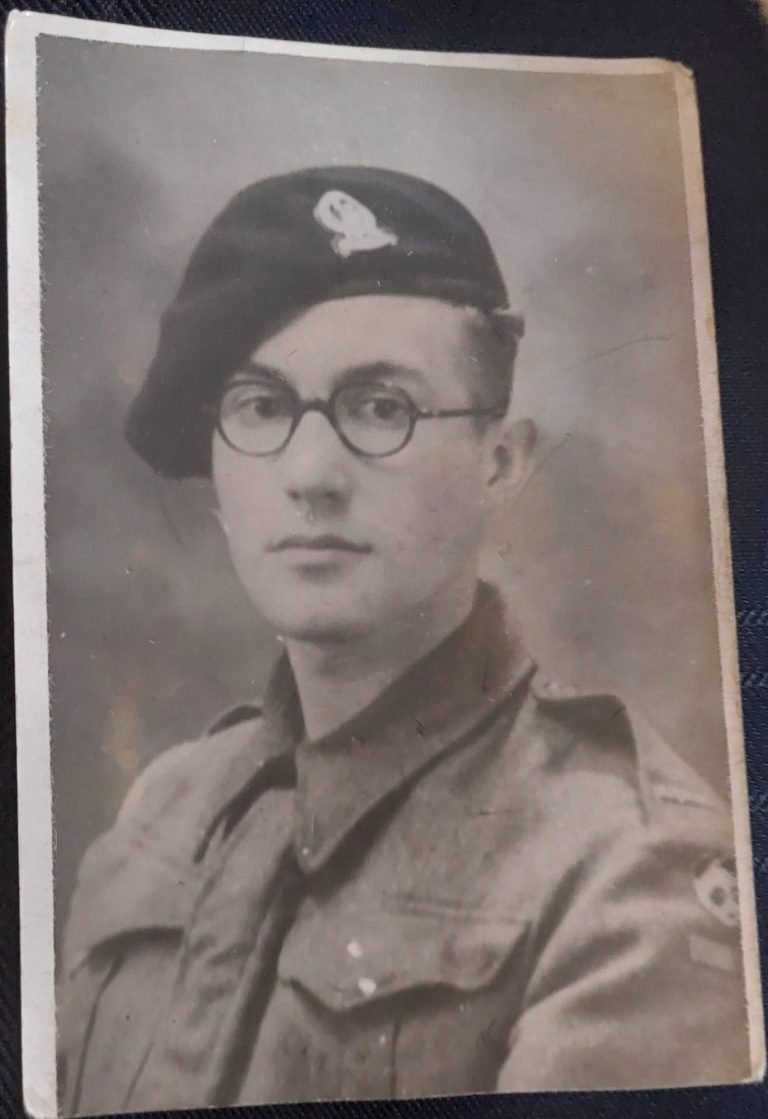
Trooper Arthur Harratt
15/19th The King's Royal Hussars R.A.C.
The Higher Education
Sub-Committee reported that senior art scholarships,
tenable for three years, had been awarded to the following: Arthur Harratt.
Arthur attended Burslem School of Art , below are examples of his artwork.
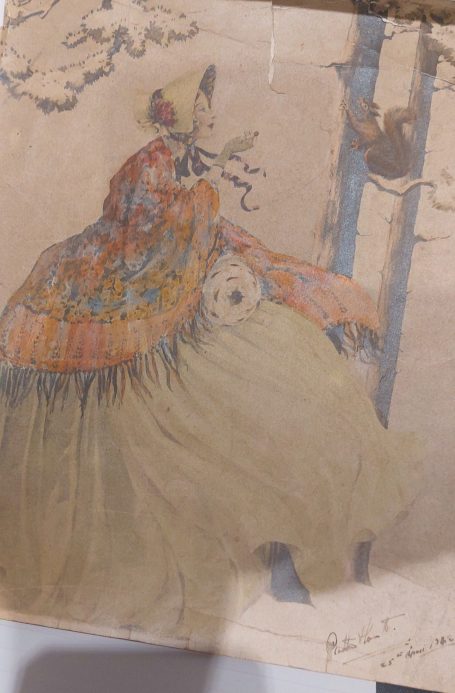
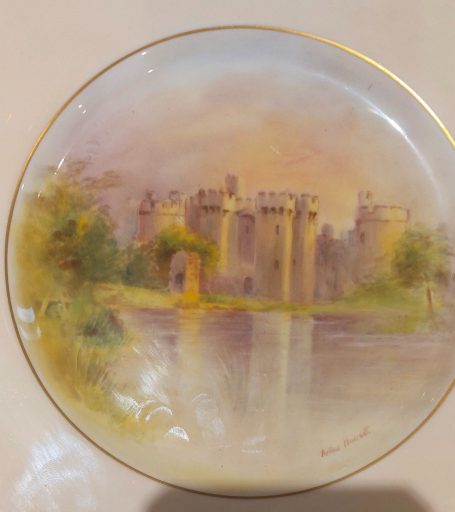
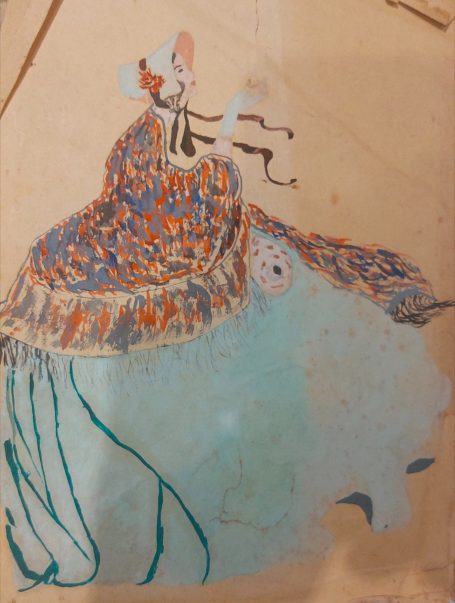
From Artist to Soldier
Arthur Harratt was born on the 28th July 1923 in Goldenhill, Stoke-on-Trent. His parents, Arthur, was born on 27th October 1900 at 6 Long Row, Kidsgrove, and Lucy née Johnson was born on 26th September 1900 at 162 High Street, Goldenhill. They were married at St Johns Church, Goldenhill, in October 1921. Arthur was the eldest of two children; his sister Joan was born on the 10th May 1925.
The 1939 Register shows the Harratt family living at 22 Church Street, Goldenhill. Arthur Sr was working as a Foreman Baker (Hospital), Lucy was working as a Potter's Lithographer, and Joan was a Hairdresser's Assistant. Arthur's record has been redacted, but from the Sentinel Newspaper dated 26th October 1938, we can see he had won a scholarship to the Burslem School of Art, aged 15.
The Higher Education Sub-Committee reported that senior art scholarships, tenable for three years, had been awarded to the following: John Oliver, Stanley Palin. Arthur Harratt, William Richardson, Bruce Neville Adams, and Arthur Allen Forrester.
Records show Arthur had enlisted in 1942, two years before his death.
During the Second World War (1939–1945), the 15th/19th The King’s Royal Hussars initially deployed with the British Expeditionary Force. After losing all of its heavy armour during the 1940 Battle of France and the Dunkirk evacuation, a core group was reassigned that December to establish a new unit: the 23rd Hussars. The remaining regiment trained in the United Kingdom alongside the 9th Armoured Division before transitioning into a reconnaissance role for the Normandy campaign in August 1944. Operating under the 11th Armoured Division, the Hussars fought their way across Europe into Germany, eventually serving in the post-war Allied occupation force.
The regiment's specific movements during Arthur's time of service are documented in comprehensive detail within The History of 15/19 The King’s Royal Hussars 1939–1945, a war diary compiled by Major G. Courage, DSO.
While the Allied D-Day landings commenced on 6 June 1944, the regiment was still training in Scotland. They officially disembarked in France at approximately 13:00 on 14 August 1944, setting up their first camp in an orchard just north of Bayeux. Deployed with a full complement of Cromwell and Centaur cruiser tanks, the unit was quickly thrust into intense combat. After fighting through the Falaise Pocket, they launched a rapid advance into Belgium, successfully contributing to the liberation of cities such as Oudenaarde by early September 1944.
The day Arthur was killed is clearly documented.
11th September 1944.
On the following day, the Regiment again operated without infantry in the same role under the command of 159 Brigade Group. We moved out of harbour in sunny weather after breakfast and took up position round a road junction four miles north-east of Helchteren, A Squadron facing east, C Squadron south, and B Squadron in reserve. Recce patrols were again sent out further afield to the East and the South. Nothing happened here, and we remained in these positions for forty-eight hours. Two miles to our South, 3 R Tks and 3 Mons had cleared the village of Laak and the woods to the East of it.
About midday, the Regiment was ordered to send one squadron to Bree, twelve miles to the North-east, to discover the situation there and, if possible, to seize the bridge over the Meuse-Escaut Canal which lay to the East of the town. A Squadron and two Recce patrols under Lieutenant Butler and Sergeant Patterson were sent to do this, and the Commanding Officer accompanied them. A Squadron arrived on the outskirts of Bree without incident.
Here, several German infantrymen were seen and engaged, in spite of persistent civilian information that there were no Germans West of the canal. As this operation was a reconnaissance in force and we had been ordered not to get seriously involved, it was decided to move round the North-west of the town and not to go in among the houses. 2nd Troop (Lieutenant Hodgson) came up against enemy infantry while doing this, and Sergeant Marlow's tank was hit in the turret by a bazooka. Trooper Harratt, the operator, was killed, and Sergeant Marlow and Trooper Fellows were slightly wounded. Shortly after this, a wild and dirty figure came running across the open in front of the Squadron: this proved to be a corporal from 3 R Tks, who had been taken prisoner with his troop leader earlier in the day. The Germans who had fired at 2nd Troop were apparently a small party of about six men who were retreating as fast as they could, taking their prisoners with them. Unfortunately, the heavy fire which they drew from A Squadron severely wounded the officer of 3 R Tks, although he was able to be evacuated soon afterwards. In order to avoid becoming further involved, the Squadron was ordered to stand fast. Meanwhile, Lieutenant Butler's patrol had drawn fire from infantry South of the town and from a gun to the East, probably East of the canal. Soon afterwards, Sergeant Patterson reported the blowing up of the bridge, which was in view of his position. It seemed, therefore, that A Squadron had carried out our task as far as possible, and permission was given by HQ 159 Brigade for the force to return at last light to the Regimental position. First, however, the Squadron was to make a demonstration, mainly for deception, by firing HE into the town and the area of the bridge from long range.
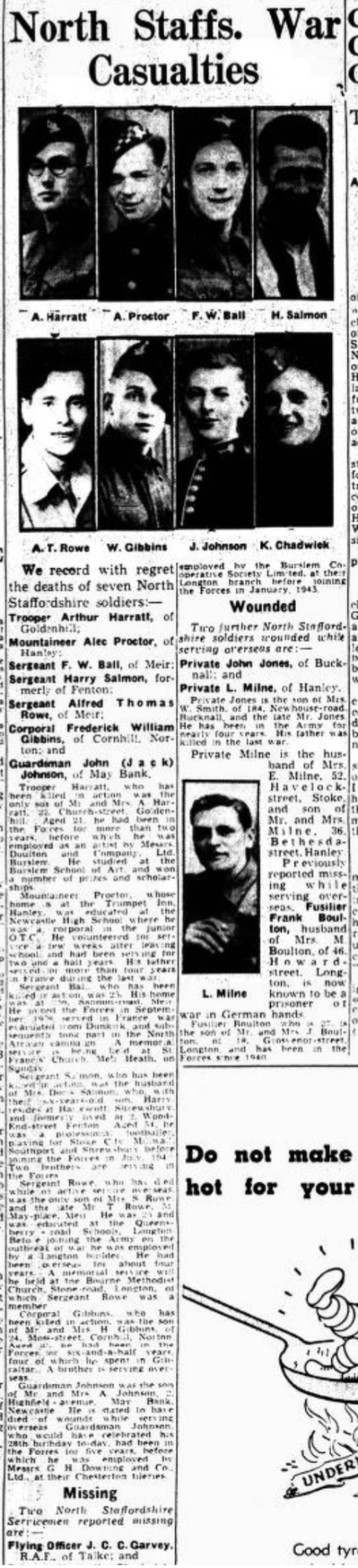
The Sentinel Newspaper reported on Arthur's death on the 25th September 1944.
Trooper Harratt. Who has been killed in action was the only son of Mr and Mrs A Harratt, 22. Church Street, Goldenhill. Aged 21. He had been in the forces for more than two years before he was employed as an artist by Messrs Doulton Burstem. and Company. Ltd. He studied at the Burslem School of Art and won a number of prizes and scholarships.
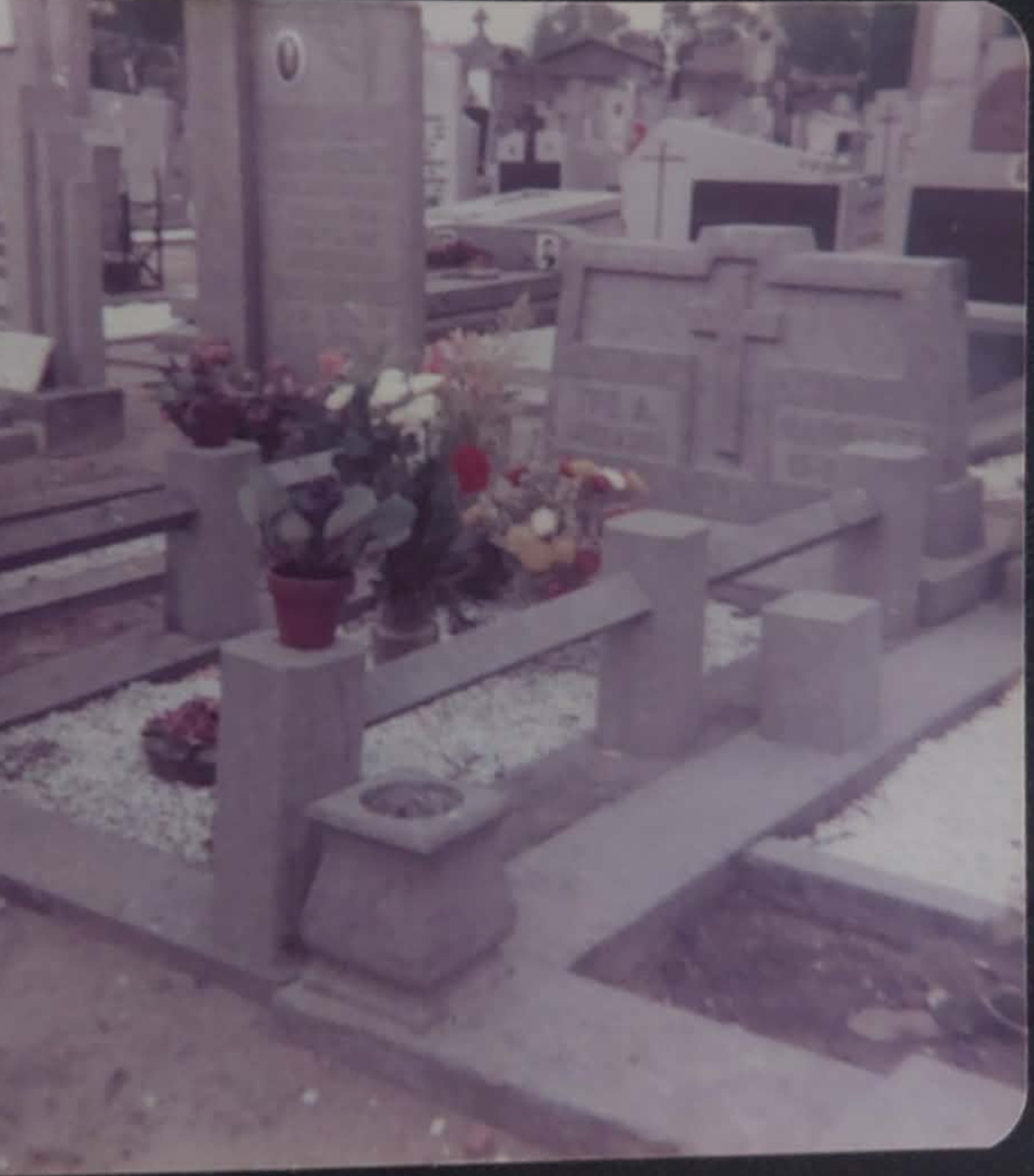
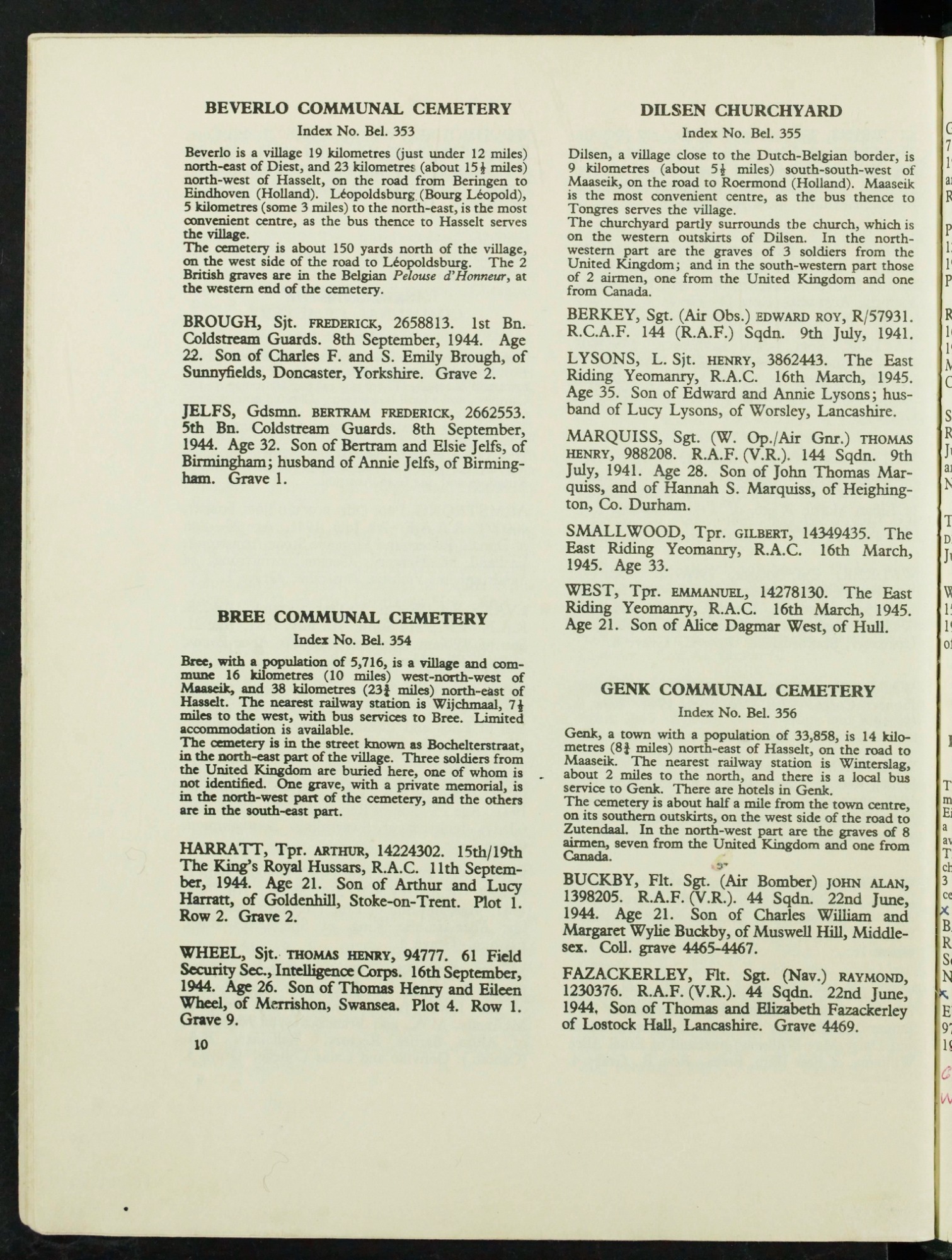
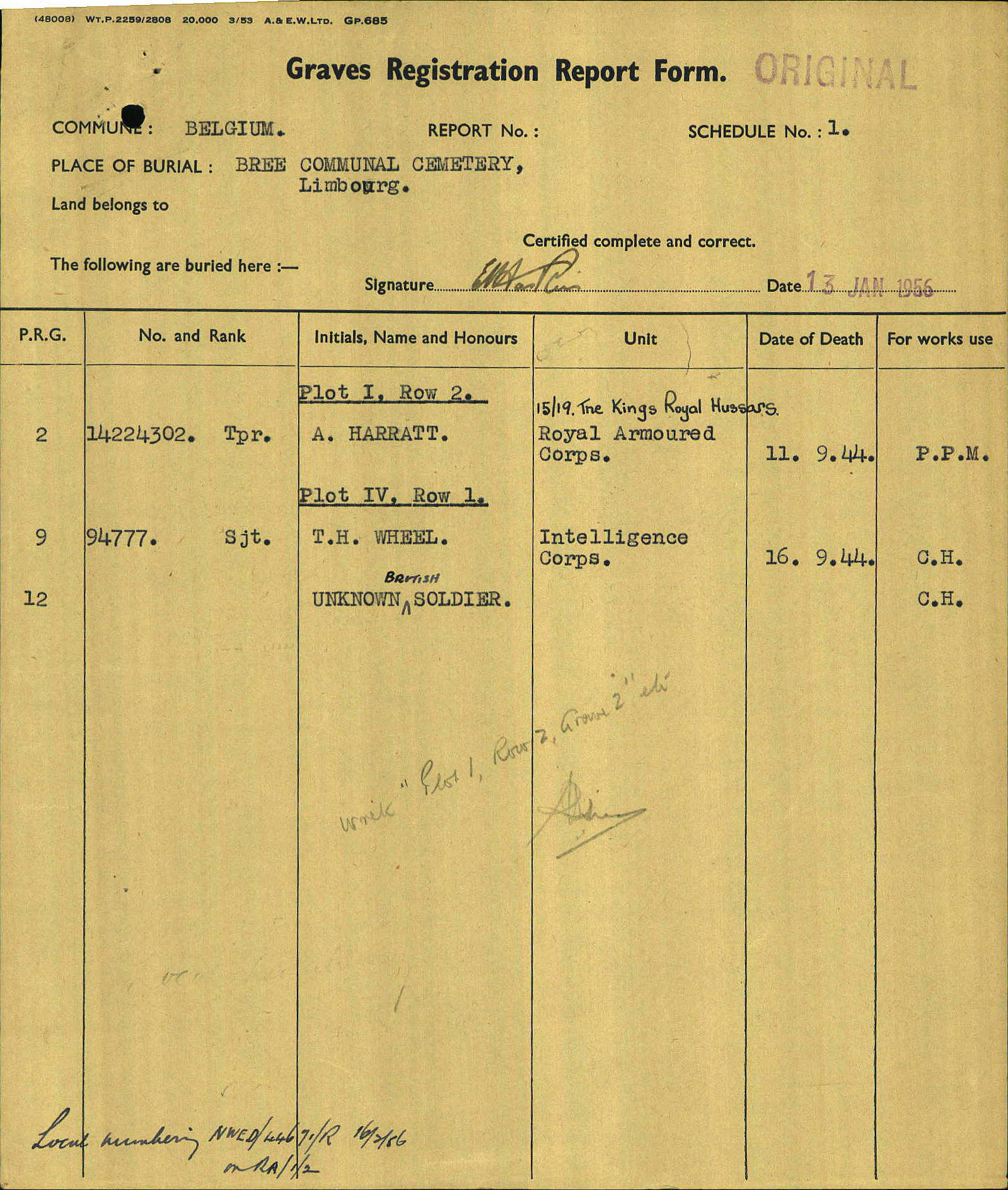
Arthur is buried at the Bree Communal Cemetery, Plot 1, Row 2.Grave 2. Three soldiers from the United Kingdom are buried here, one of whom is not identified. The other identified soldier is 94777 Sergeant Thomas Henry Wheel, 61 Field Security Sec. Intelligence Corps, died 16th September 1944, aged 26. Son of Thomas Henry and Eileen Wheel, of Merrishon, Swansea.
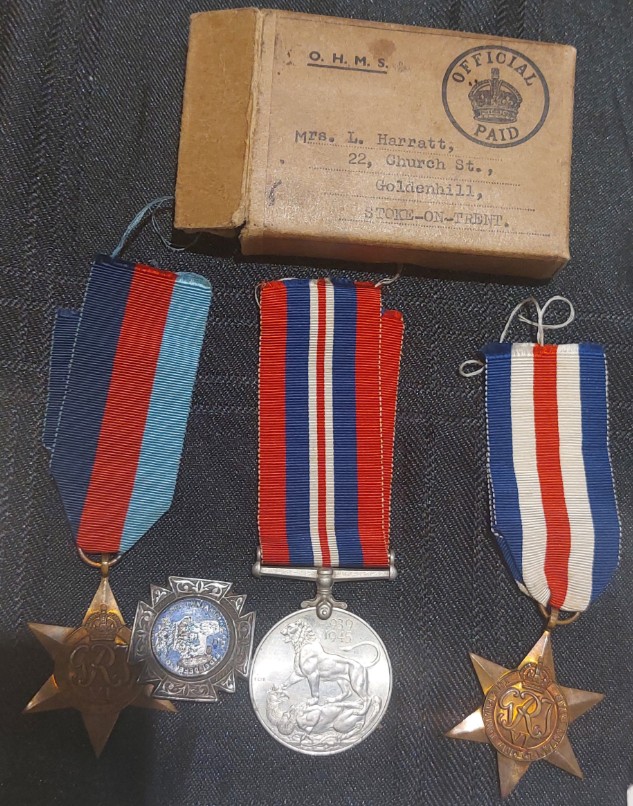
Arthur was awarded the 1939-1945 Star, the France Germany Star, and the War Medal 1939-1945.
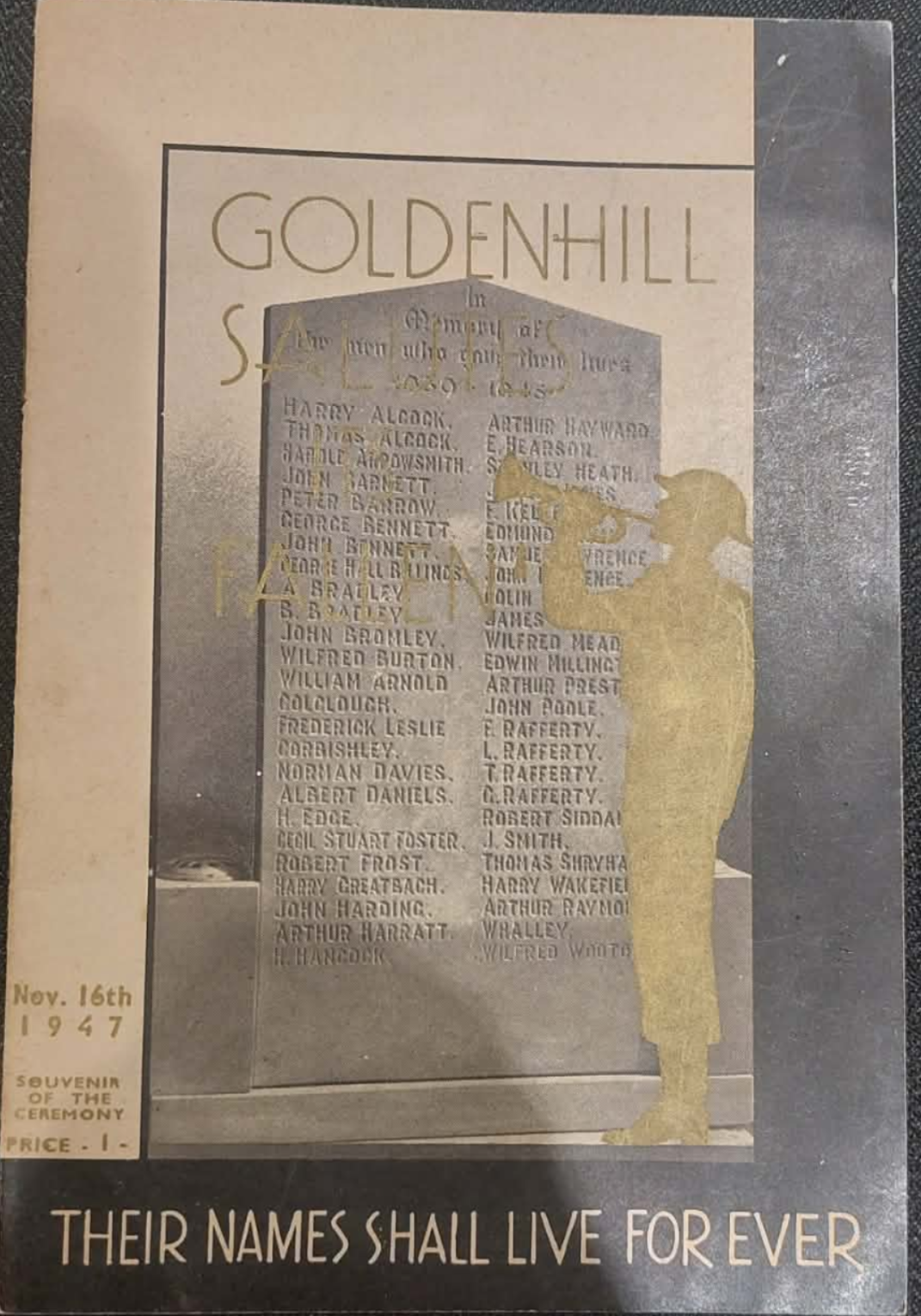
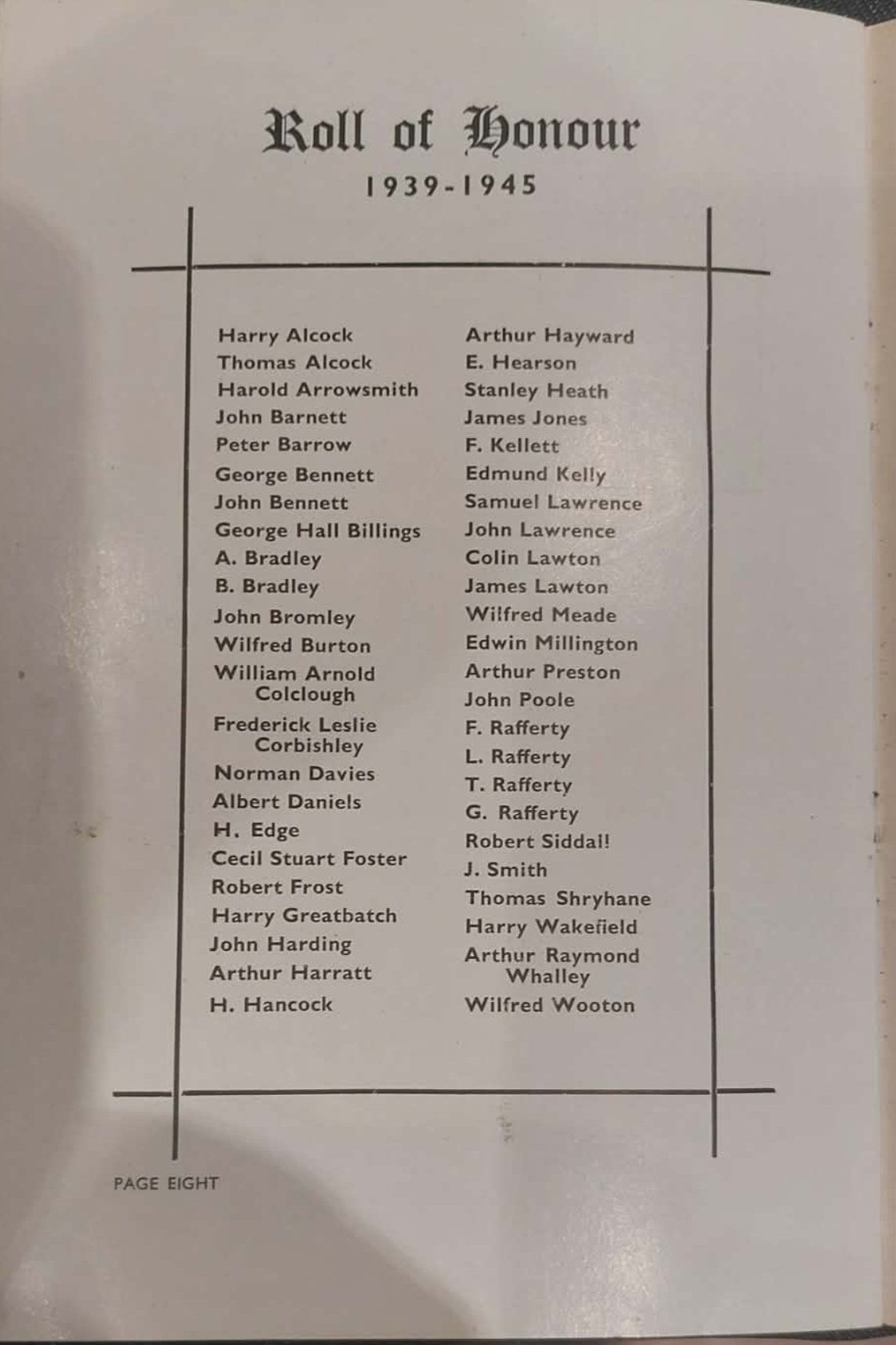
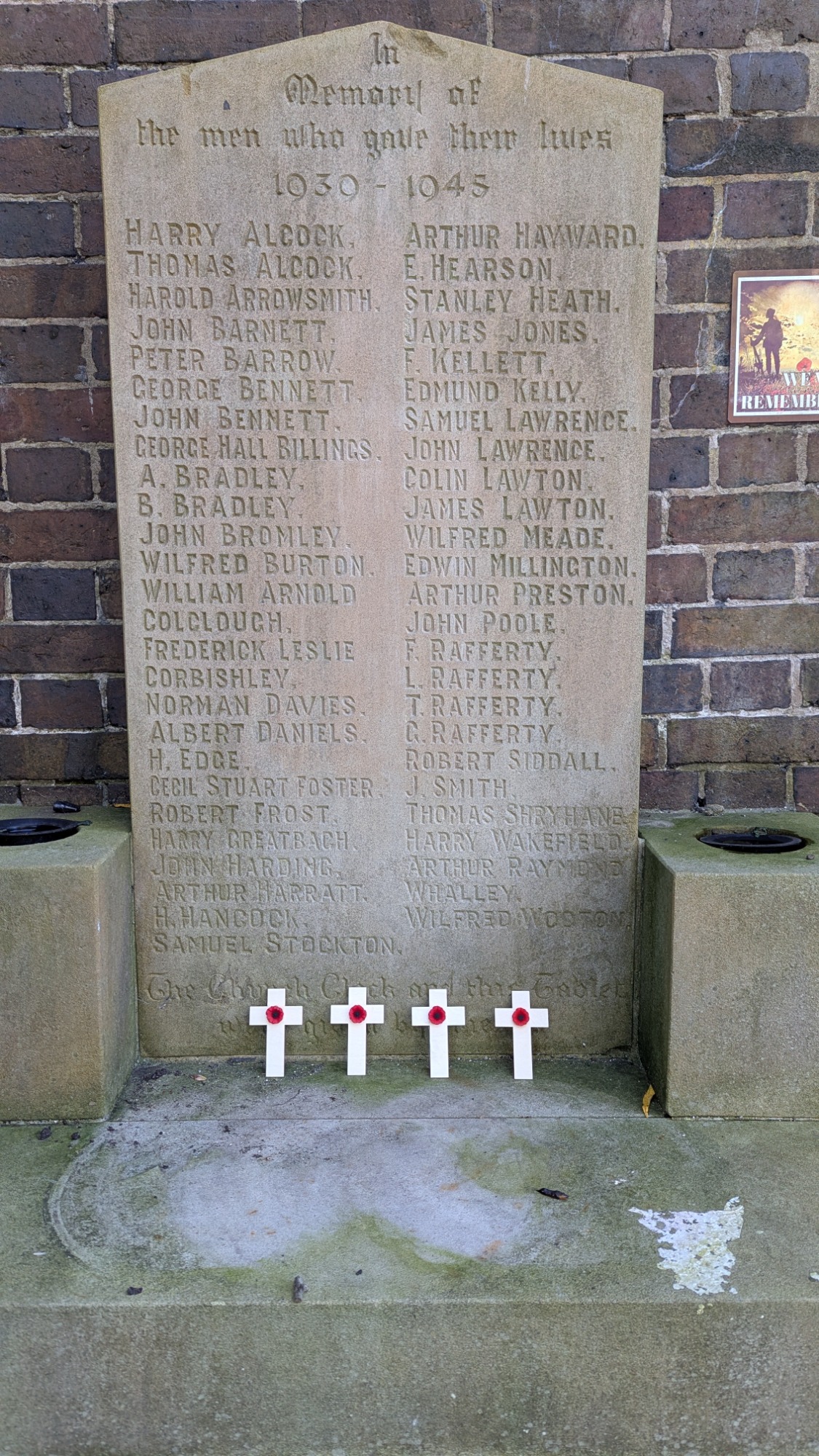
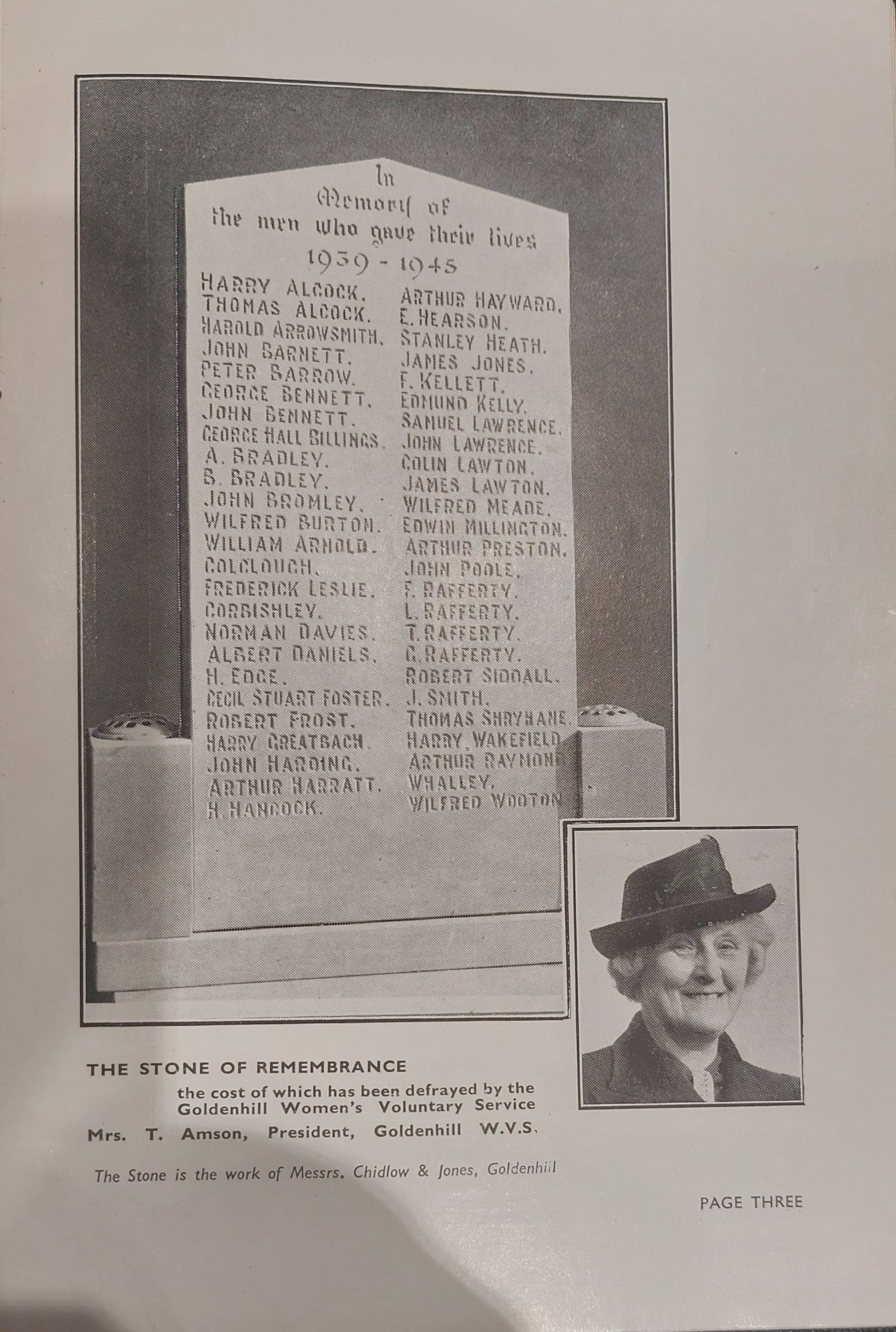
As well as being on the Royal Doulton Burslem Memorial, Arthur Harratt is remembered on the Stone of Remembrance at the Church of St John the Evangelist, High Street, Goldenhill, Stoke on Trent.
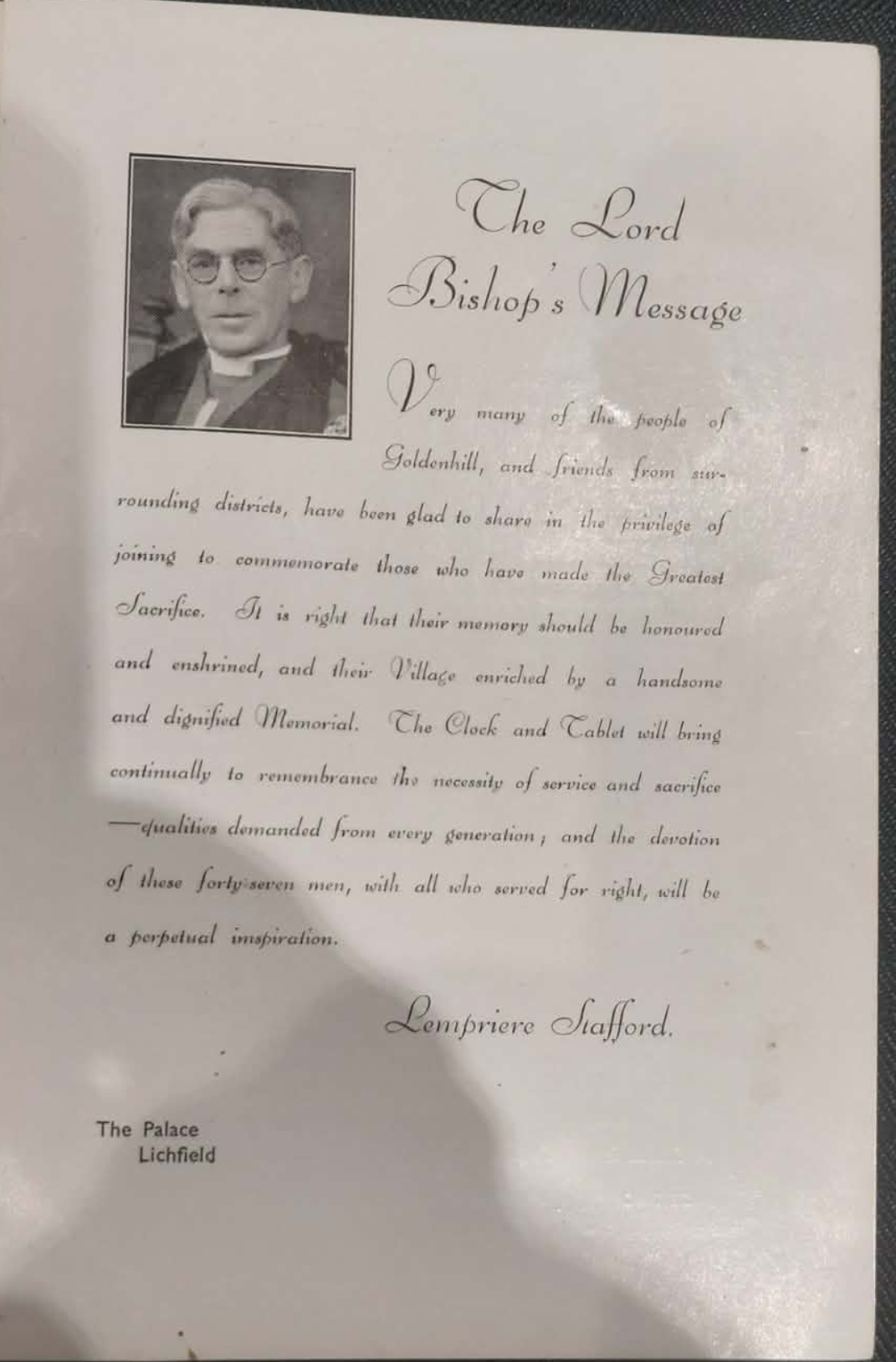
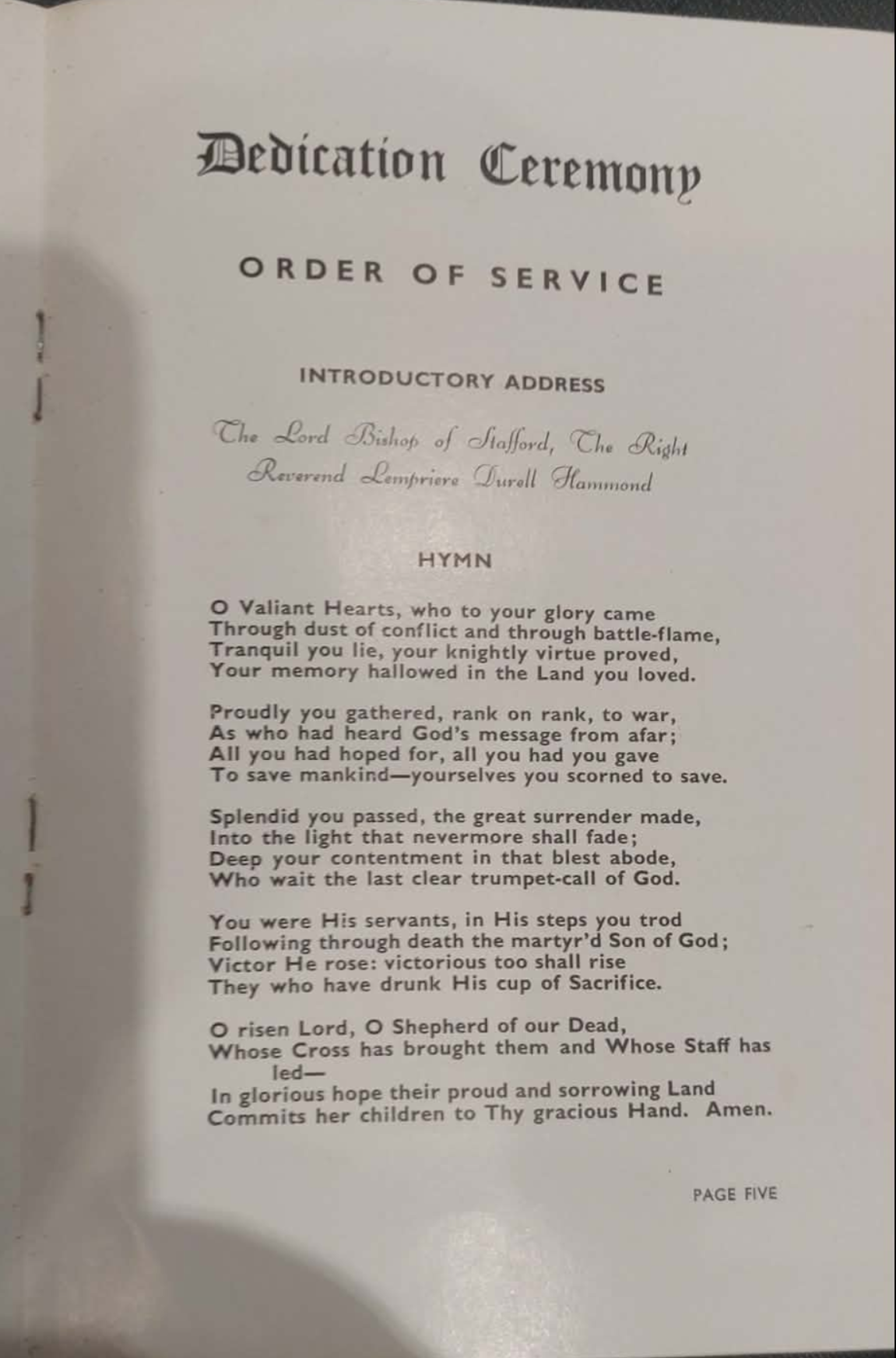
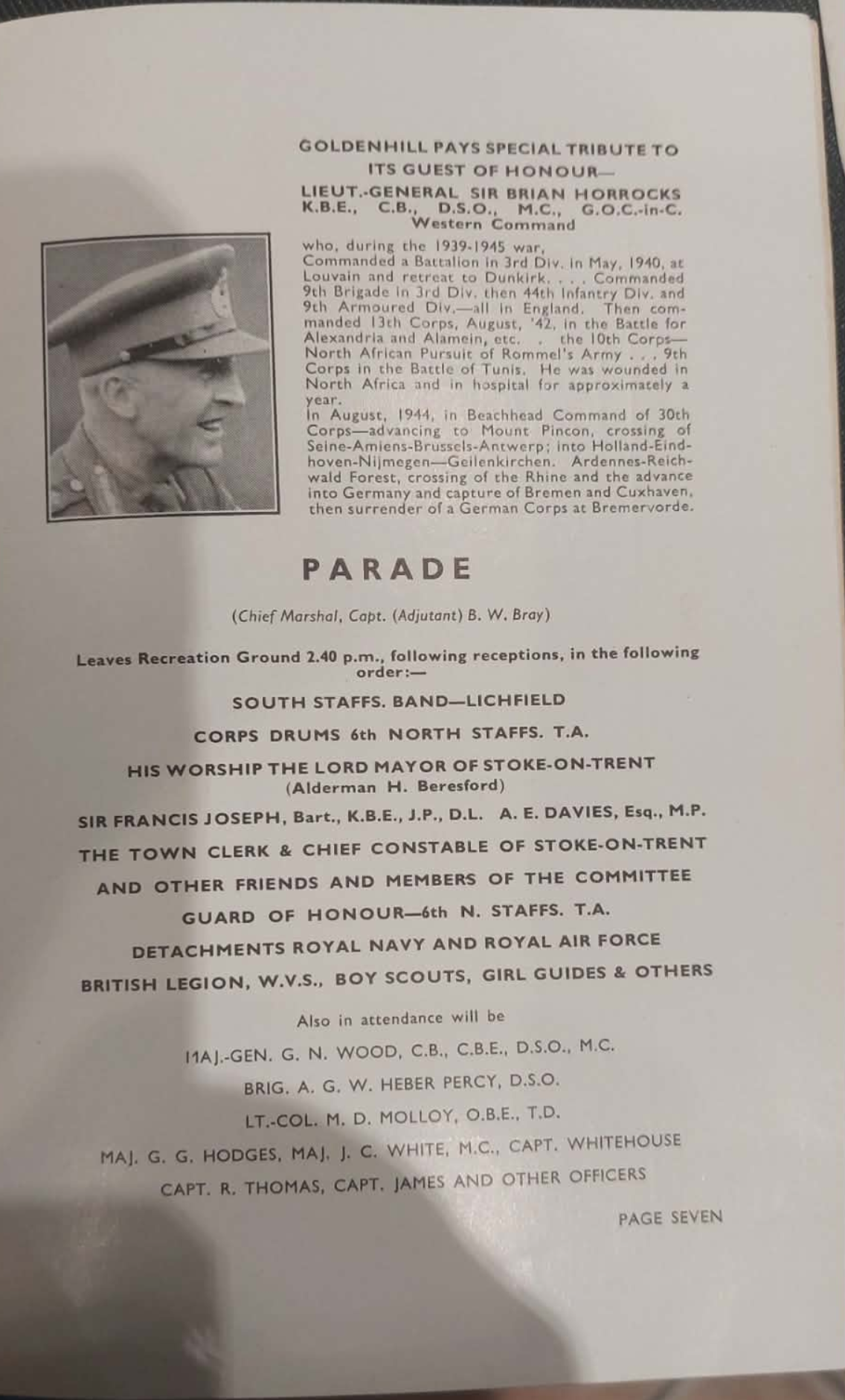
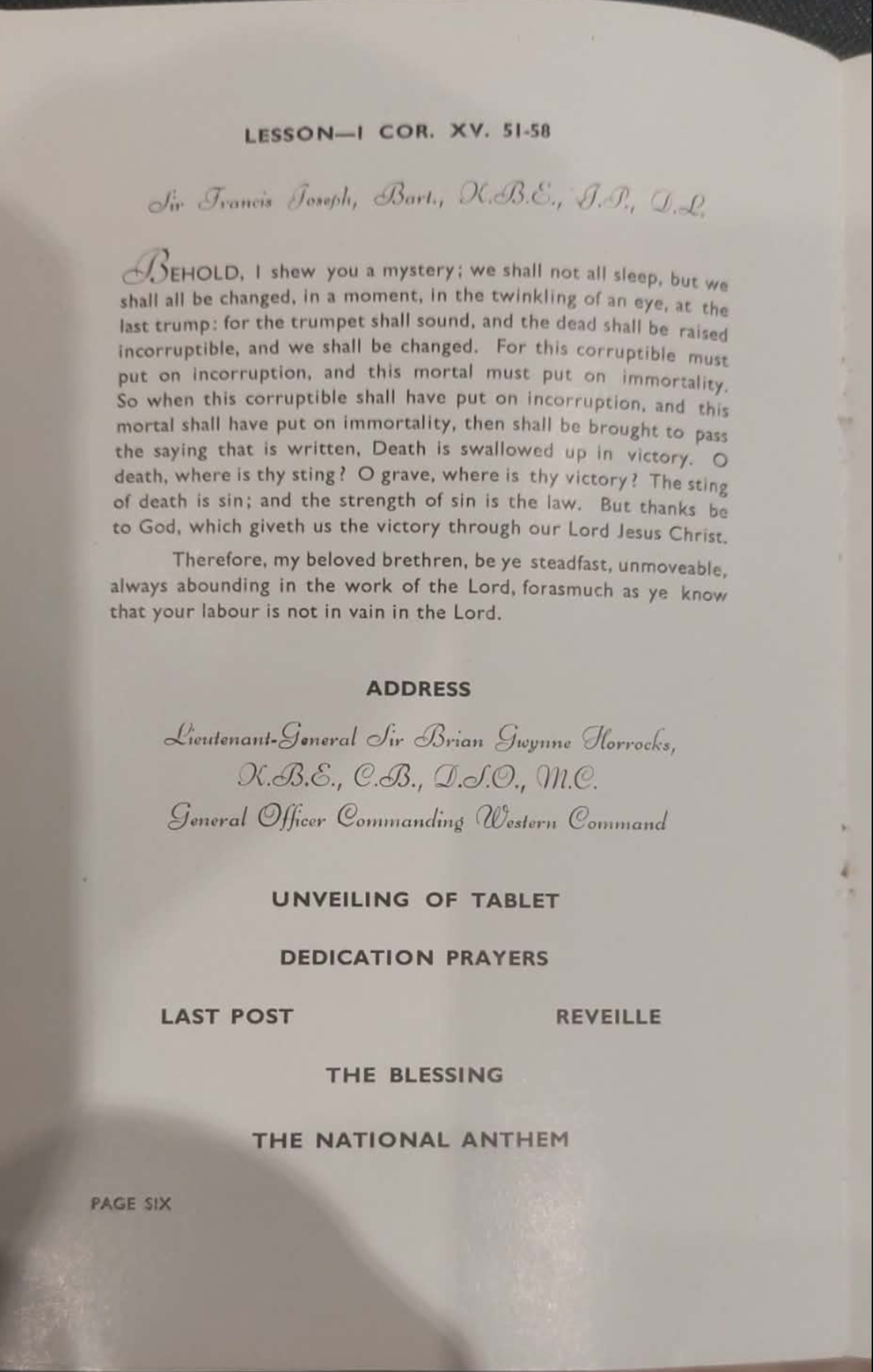
On the 16th November 1947, Lieutenant-General Sir Brian Horrocks, G.O.C. Western Command unveiled the Stone of Remembrance, and the Bishop of Stafford, the Right Rev. L. D. Hammond, dedicated the clock.
The Sentinel Newspaper reported on the new Memorial for Goldenhill
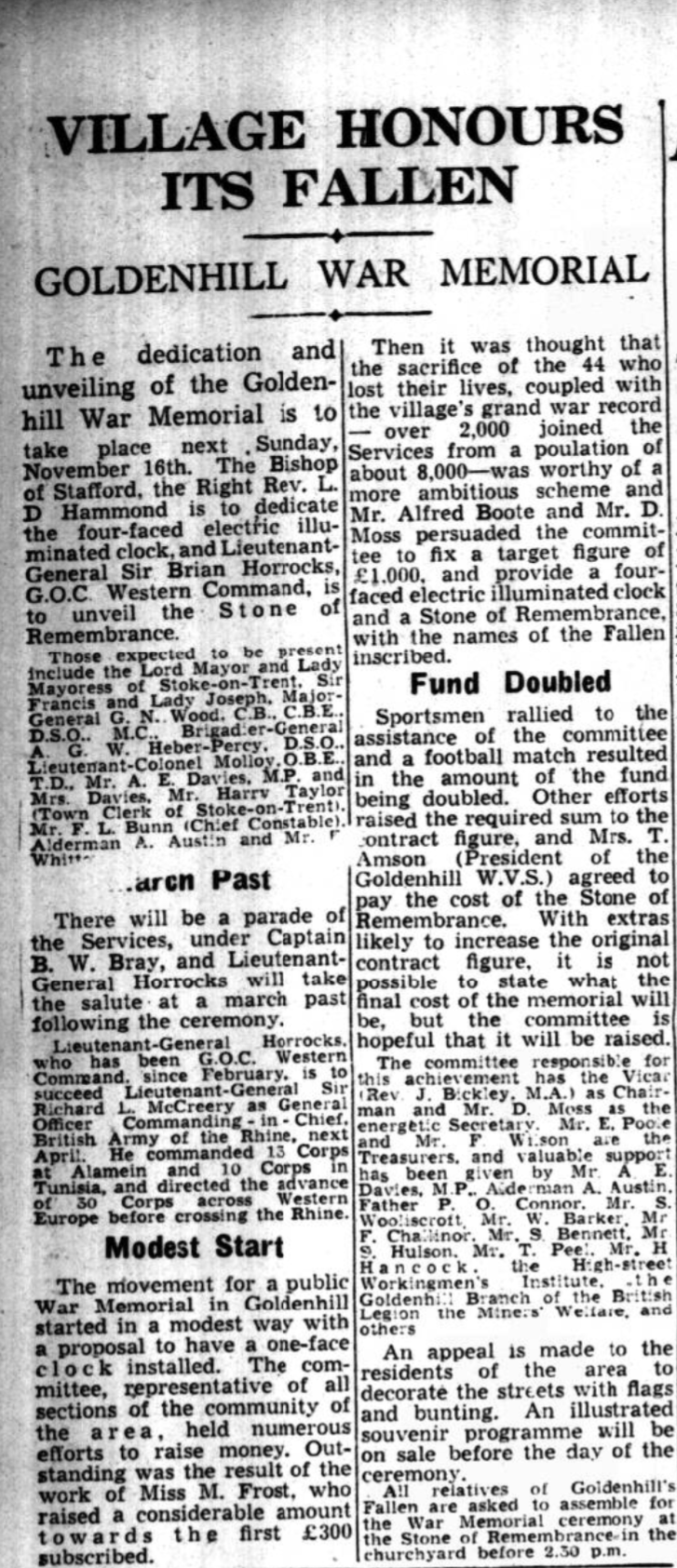
VILLAGE HONOURS ITS FALLEN, GOLDENHILL WAR MEMORIAL.
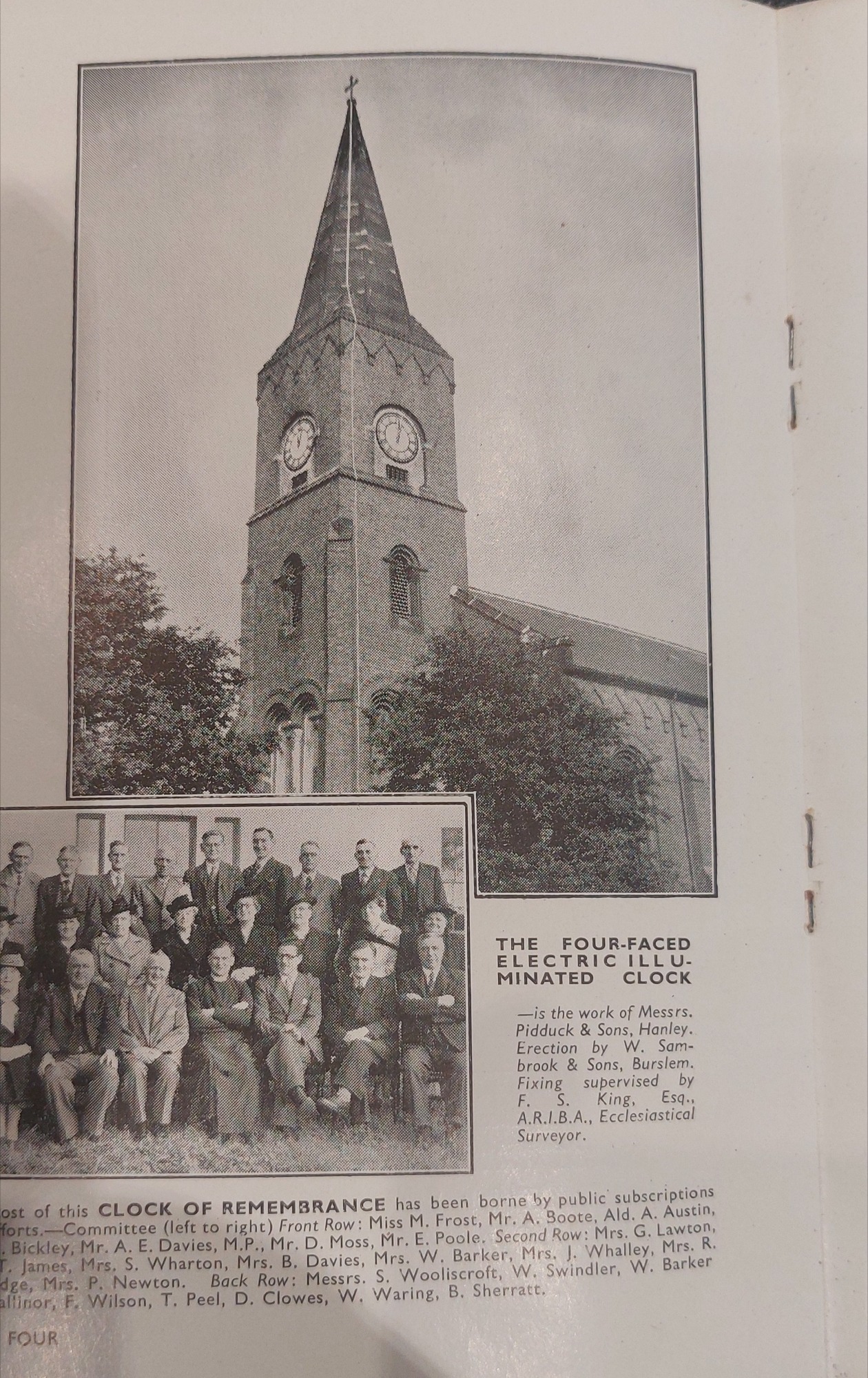
The dedication and unveiling of the Goldenhill War Memorial is to take place next Sunday, November 16th. The Bishop of Stafford, the Right Rev L.D. Hammond is to dedicate the four-faced electric illuminated clock, and Lieutenant-General Sir Brian Horrocks, G.O.C. Western Command is to unveil the Stone of Remembrance.
Those expected to be present include the Lord Mayor and Lady Mayoress of Stoke-on-Trent. Sir Francis and Lady Joseph. Major-General G. N. Wood. C.B., C.B.E. D.S.O. M.C., Brigadier-General A.G. W. Heber-Percy, D.S.O., Lieutenant-Colonel Molloy. O.B.E.. T.D., Mr. A. E. Davies, M.P., and Mrs. Davies. Mr. Harry Taylor, Town Clerk of Stoke-on-Trent, Mr.F. L. Bunn (Chief Constable), Alderman A. Austin, and Mr. Whitter.
March Past
There will be a parade of the Services, under Captain B. W. Bray, and Lieutenant-General Horrocks will take the salute at a march past following the ceremony. Lieutenant-General Horrocks, who has been G.O.C. Western Command, since February. is to succeed Lieutenant-General Sir Richard L Mc Creery as General Officer Commanding in Chief, British Army of the Rhine, next April. He commanded 13 Corps at Alamein and 10 Corps in Tunisia and directed 30 Corps across Western Europe before crossing the Rhine.
Modest Start
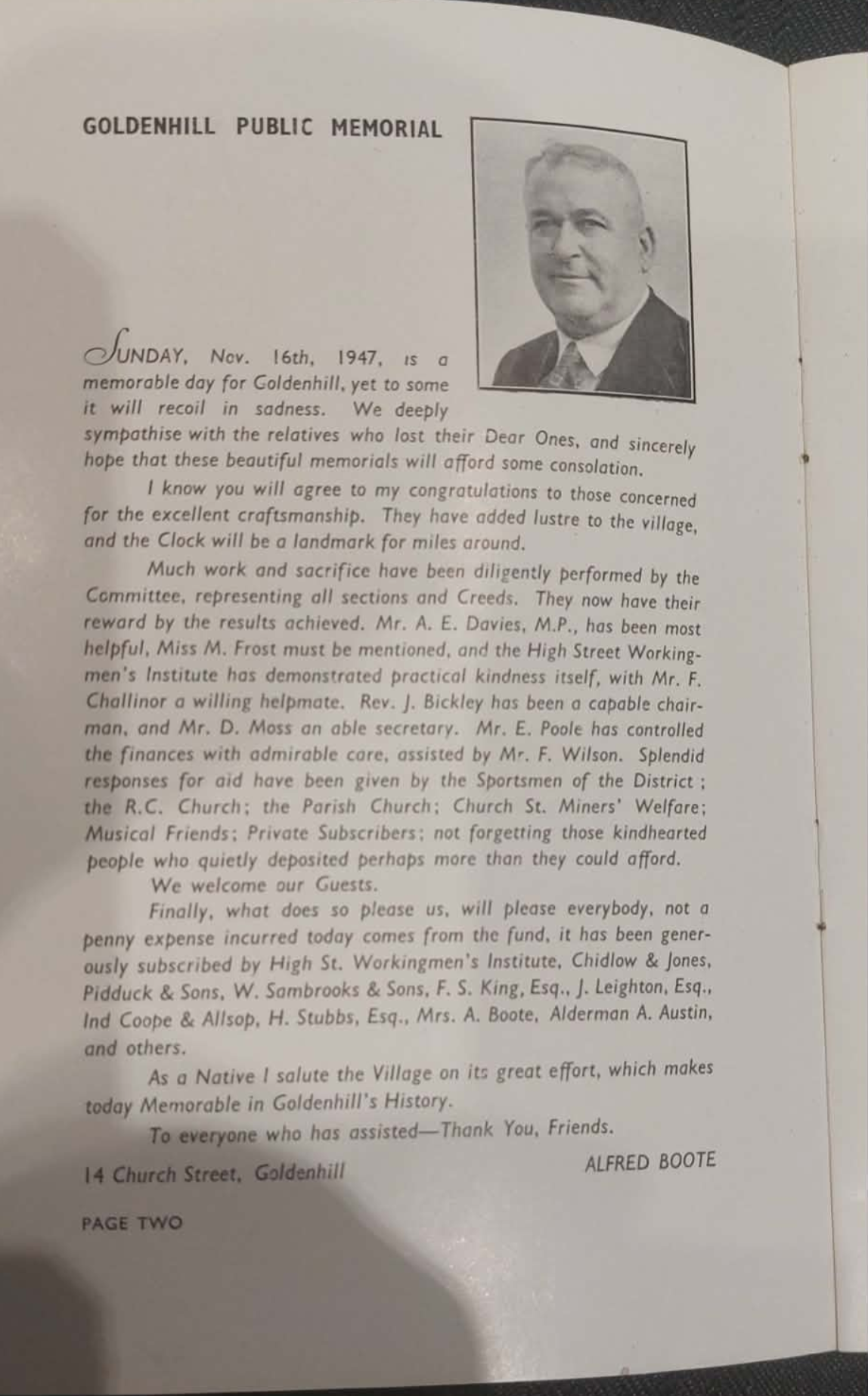
The movement for a public War Memorial in Goldenhill started in a modest way with a proposal to have a one-face clock installed. The committee, representative of all sections of the community of the area, made numerous efforts to raise money. Outstanding was the result of the work of Miss M. Frost, who raised a considerable amount towards the first £300 subscribed.
Then it was thought that the sacrifice of the 44 who lost their lives, coupled with the village's grand war record over 2,000 joined the Services from a population of about 8,000-was worthy of a more ambitious scheme and Mr Alfred Boote and Mr D Moss persuaded the committee to fix a target figure of £1.000, and provide a four-faced electric illuminated clock and a stone of remembrance with the names of the fallen inscribed.
Fund Doubled
Sportsmen rallied to the assistance of the committee, and a football match resulted in the amount of the fund being doubled. Other efforts raised the required sum to the Contract figure, and Mrs. T. Amson (President of the Goldenhill W.V.S.) agreed to pay the cost of the Stone of Remembrance. With extras likely to increase the original contract figure, it is not possible to state what the final cost of the memorial will be, but the committee is hopeful that it will be raised.
The committee responsible for this achievement has the Vicar Rev. J. Bickley. M.A.) as Chairman and Mr. D. Moss as the energetic Secretary. Mr. E. Poole and Mr f Wilson are the Treasurers, and valuable support has been given by Mr. A.E Davies, M.P., Alderman A. Austin, Father P. O. Connor. Mr. S. Wooliscroft, Mr. W. Barker, Mr F. Challinor. Mr. S. Bennett, Mr. Hulson. Mr. T. Peel. Mr. H Hancock. High-street Workingmen's Institute, the Goldenhill Branch of the British Legion, the Miners Welfare, and an appeal is made to the residents of the area to decorate the streets with flags and bunting. An illustrated souvenir programme will be on sale before the day of the ceremony.
All relatives of Goldenhill's Fallen are asked to assemble for the War Memorial ceremony at the Stone of Remembrance in the churchyard before 2.30 p.m.
Sources:
- Parents Marriage: General Register Office; United Kingdom; Volume: 6b; Page: 203
- Birth: General Register Office; United Kingdom; Reference: Volume 6b, Page 188
- Indexes created from Anglican Parish Registers held at Staffordshire Record Office; Stafford, Staffordshire, England
- The National Archives of the UK (TNA); Kew, Surrey, England; Census Returns of England and Wales, 1911
- The National Archives of the UK (TNA); Kew, Surrey, England; 1921 Census Returns; Reference: RG 15/12592, ED 5, Sch 248; Book: 12592
- The National Archives; Kew, London, England; 1939 Register; Reference: RG 101/5273C
- https://www.ww2cemeteries.com/bree-communal-cemetery.html
- The National Archives of the UK (TNA); Kew, Surrey, England; War Office: Roll of Honour, Second World War.Publication Title: Army Roll of Honour 1939-45. Soldiers Died in World War Two. (WO304); Publication Format: CD Rom; Publisher: Naval & Military Press
- The National Archives; London, England, UK; WO 417: Army Casualty Lists, 1939-45 War; Reference: WO 417/82
- https://memorials.iwm.org.uk/memorial/38394
- Courage, G., 1949. The history of 15/19 The King's Royal Hussars 1939–1945. Aldershot: Gale & Polden Limited.
- https://www.britishnewspaperarchive.co.uk/viewer/bl/0000525/19471111/075/0004
- https://www.britishnewspaperarchive.co.uk/viewer/bl/0000525/19440925/006/0001
Gallery
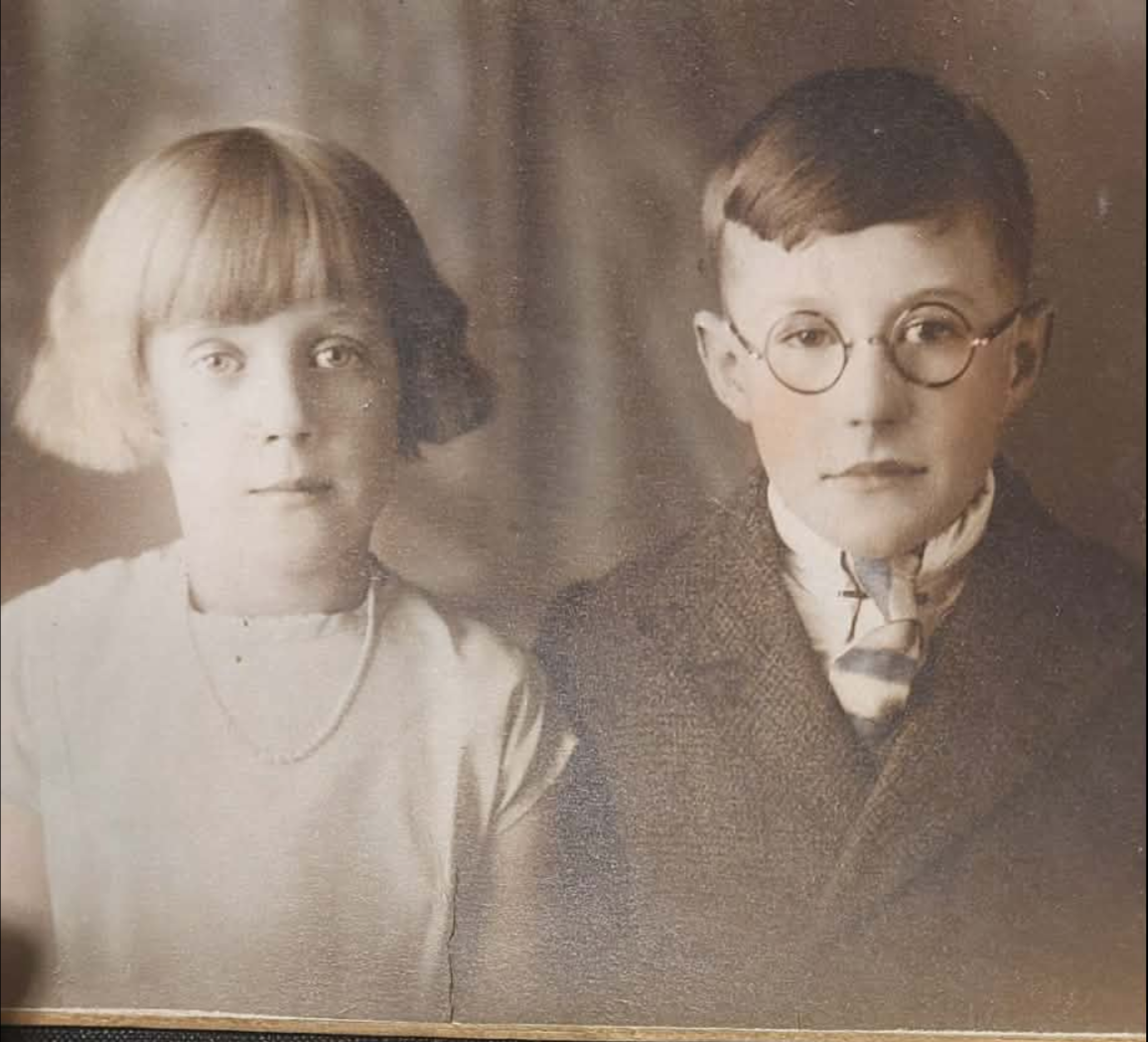
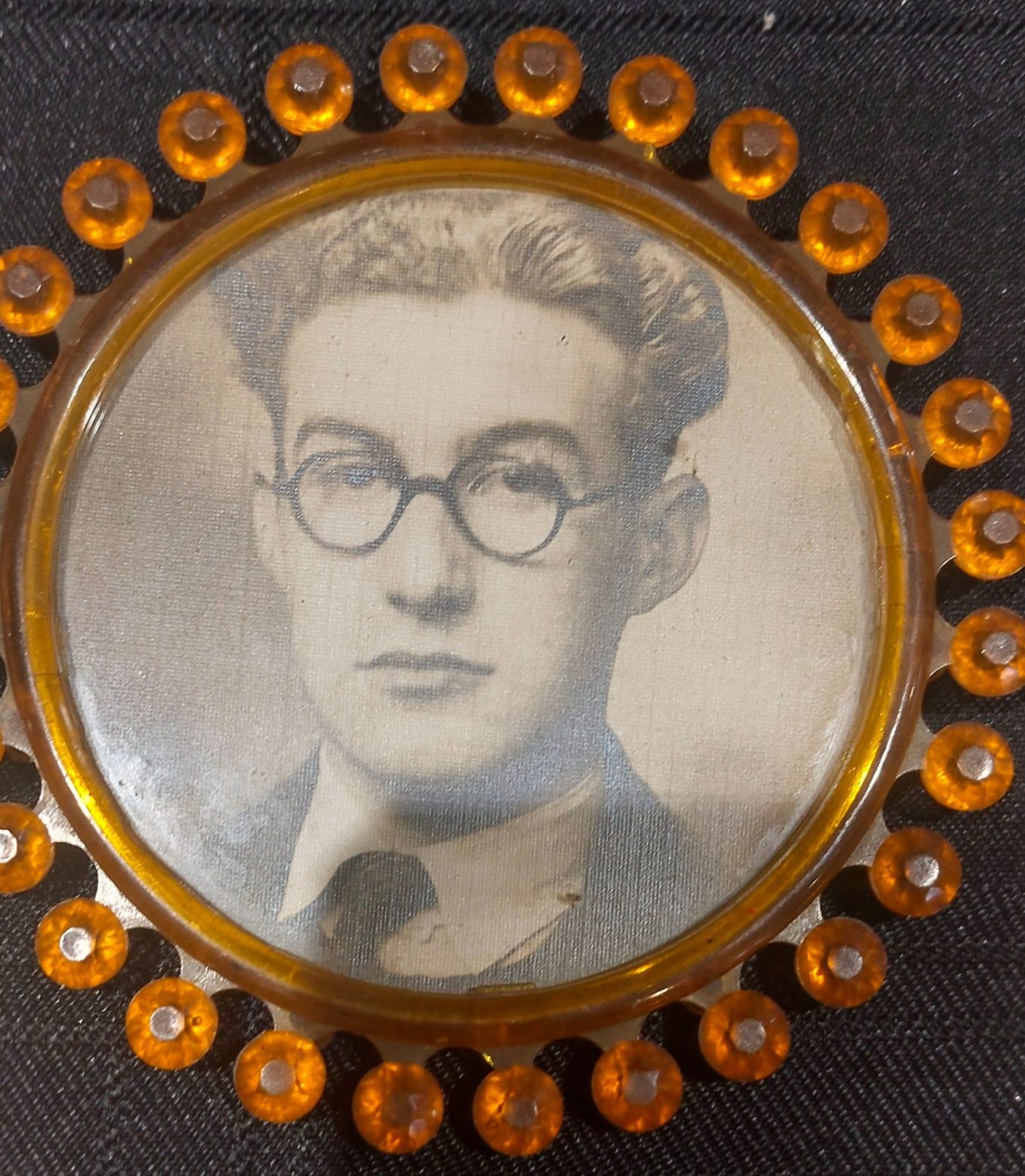
Photographs with kind permission of Mrs A Doorbar Arthurs Niece.